What to wear on a trajinera in Xochimilco
A note on those numbers before you plan around them: they are 1991–2020 normals for the Mexico City airport station, taken from a climate-reference site. The SMN and Conagua were unreachable when I checked, so these are not SMN figures and I am not going to dress them up as official.
What the boat itself decides
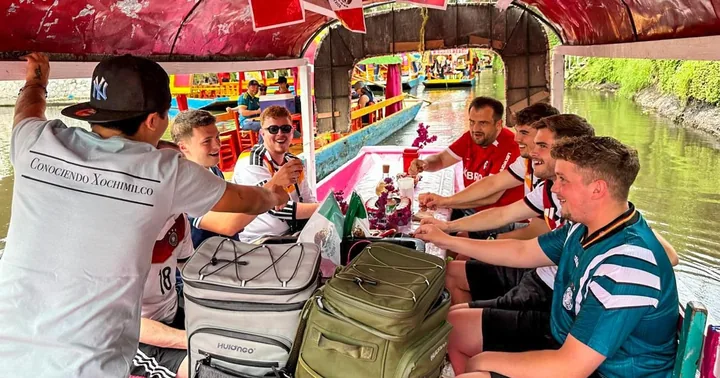
Three things about the vessel drive everything else. It has a roof, so the sun overhead is handled. It has open sides, so sun late in the day, wind and blown rain are not. And you are sitting still for one to several hours, which is a different thermal problem from walking around a city at the same temperature.
Layers, because the swing is wide
At this altitude the gap between the afternoon high and the night low is large all year — 21 to 27 °C by day, 6 to 14 °C at night. A shirt that is right at two in the afternoon is wrong at seven in the evening, on the water, sitting down. If you are on an evening departure — the Lunadas at Fernando Celada Miranda run 20:00 to 22:00 in season, and the Llorona boats at Cuemanco go at 18:00 and 21:00 — take a real jacket between December and February, not a cardigan.
Rain, and why the hour matters more than the month
May to October is the wet half of the year, and July is the wettest month with about 160 mm across 17 rain days. The useful part is not the total; it is the timing. Rain here arrives as afternoon and evening showers. A three o’clock departure in July on an open-sided boat is a materially different trip from a ten o’clock one, and that is a physical reason for the standard morning advice rather than folklore. November to April is dry — 5 to 15 mm in a month.
Take something packable and waterproof between May and October even if the morning is cloudless. More on timing in the best day to go and opening hours and boat times.
What I take out on the canals
A hat, because the roof only covers what is above you and a boat turns; long sleeves I can push up; a jacket in the bag from October onward; shoes I do not mind getting wet stepping on and off, since the dock edge and the deck are both damp most of the day. Nothing about that is a rule. It is what somebody who is out there most mornings puts on.
What not to pack for the boat
This one is not a matter of taste, it is the rules. Under the regulations in force since 2020 you may not bring radios, speakers, generators or any kind of high-decibel sound reproducer aboard — only the operator’s own system plays. Leave the Bluetooth speaker in the room. Rubbish stays aboard until you are back at the dock, so a bag for it is worth more than most of what people bring. Life jackets have to be located aboard, and per the city’s own portal a passenger who declines to wear one signs a release, so wearing one is not compulsory.
If you are bringing your own food and drink, you are entitled to — there is no surcharge for it, and being charged one is a documented scam. Bring a bag to carry the empties home in. I farm alongside this water and I would rather not fish your bottle out of it.
If you are booking rather than turning up
The cheapest booked departure runs two to two and a half hours from a dock on the Nativitas dike, with a guide, drinks, a quesadilla and a souvenir included, and you get yourself to the dock. Same clothing advice; the boat is the same kind of boat.
Related: how long the ride actually is, how to get there and what is in the water.
Frequently asked questions
What should I wear to Xochimilco?
Layers. Highs run 21 to 27 °C year-round and lows 6 to 14 °C at about 2,240 m, and a trajinera is open-sided under a roof, so you sit still in shade with weather coming in from the side. Add a waterproof layer between May and October, and a real jacket for evening trips between December and February. Those weather figures are 1991–2020 airport normals from a climate-reference site, not SMN data.
Do I need rain gear in Xochimilco?
Between May and October, yes — July is the wettest month with about 160 mm over 17 rain days, and rain arrives as afternoon and evening showers rather than all-day drizzle. A morning departure avoids most of it. November to April is dry, 5 to 15 mm in a month.
Is it cold on the boat at night?
From December to February, yes. The city sits at about 2,240 m and the daily swing is wide, with lows of 6 to 14 °C, and you are sitting still on an open-sided boat. Evening departures exist — seasonal Lunadas at Fernando Celada Miranda run 20:00 to 22:00, and the Llorona boats at Cuemanco go at 18:00 and 21:00 — so take a proper jacket.
What should I not bring on a trajinera?
Speakers. The rules in force since 2020 bar radios, speakers, generators and any high-decibel sound reproducer brought aboard by passengers; only the operator’s system plays. Rubbish also has to stay aboard until you return to the dock, so bring a bag for it.